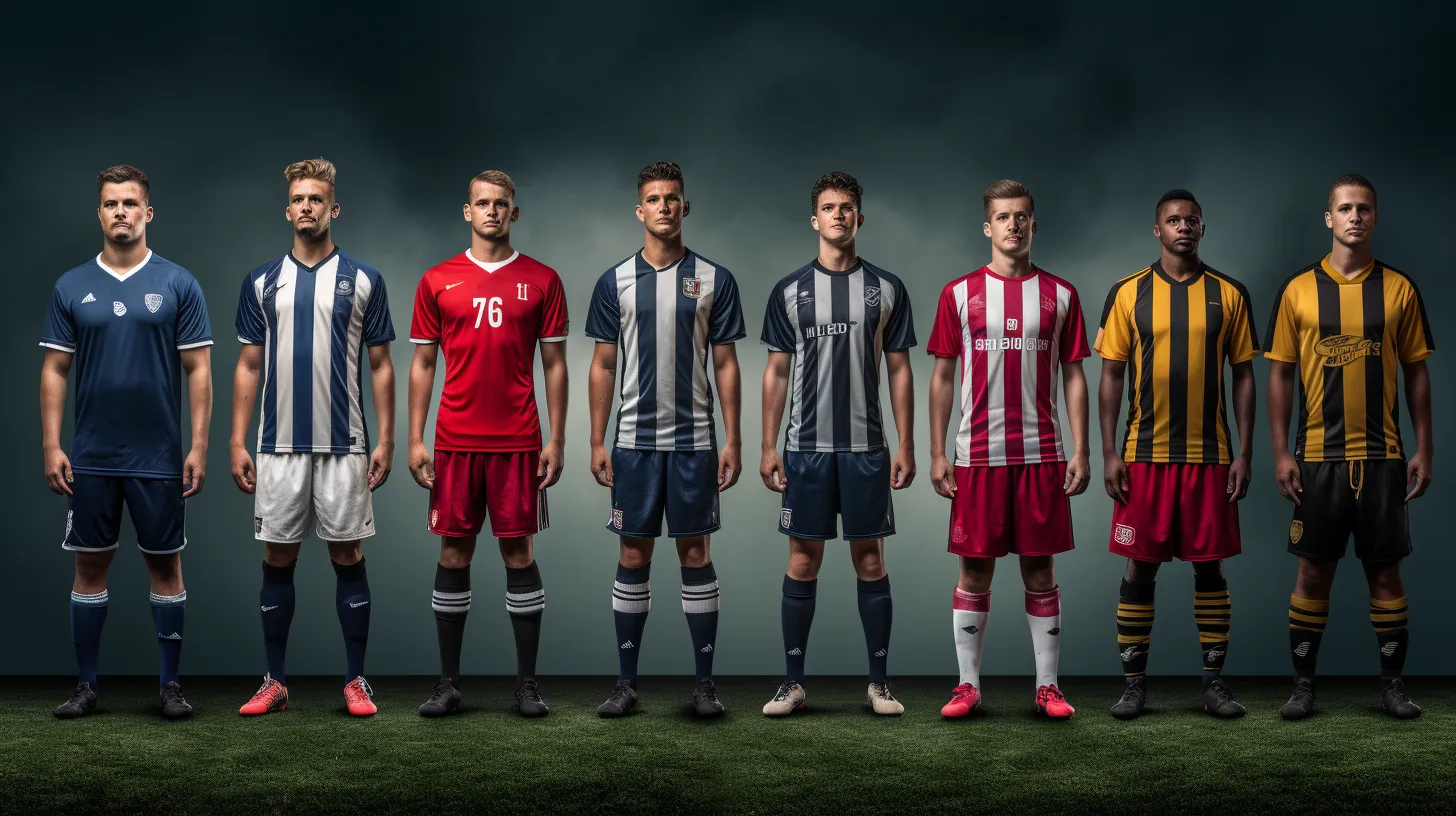
Purchasing a soccer jersey is often a significant investment for fans, and getting the sizing right is crucial for both comfort and style. The fit of athletic wear has evolved drastically over the last two decades, shifting from the baggy, boxy cuts of the 1990s to the streamlined, aerodynamic silhouettes seen on modern professionals. Among the major manufacturers, Adidas is known for specific tailoring that can confuse first-time buyers.
The short answer for most shoppers is that Adidas soccer jerseys generally run slightly small and feature a slimmer cut than standard casual t-shirts. However, the degree of snugness depends heavily on the specific version of the jersey you purchase. Understanding the difference between “Authentic” player versions and “Replica” fan versions is the key to selecting the correct size.
This guide examines the technical specifications of Adidas kits, compares the fit across different product lines, and offers practical advice for measuring yourself. By analyzing the fabric technology and intended use of these garments, you can determine whether to stick to your usual size or size up for a more relaxed fit.
The Critical Distinction: Authentic vs. Replica Sizing
The most common reason for sizing errors is the confusion between the two primary tiers of jerseys Adidas produces. While they may look nearly identical from a distance, the “Authentic” (often labeled as the Player Version) and the “Replica” (often labeled as the Stadium or Fan Version) are constructed with entirely different patterns and purposes.
Authentic (Player Version): These jerseys are engineered for elite athletes performing at the highest level. They utilize Adidas’ premium cooling technology, currently known as HEAT.RDY. The priority for these garments is weight reduction, aerodynamics, and sweat evaporation.
Because they are designed to reduce drag and prevent opponents from grabbing the fabric, Authentic jerseys feature an extremely slim, athletic cut. The torso is tapered, the sleeves are tighter, and the hem often features a curved “athletic” shape. For the average fan who does not have the body fat percentage of a professional winger, these jerseys will feel significantly smaller than the tag suggests. It is standard practice to size up at least one full size when buying an Authentic kit.
Replica (Stadium Version): These shirts are designed for comfort in the stands or casual wear. They typically use AEROREADY technology, which is moisture-wicking but slightly heavier and more durable than the player version. The cut is straighter and looser through the midsection.
While Replica jerseys are more forgiving, they still tend to be slimmer than a standard American cotton t-shirt. If you prefer a baggy, streetwear-style look, you may still want to size up. However, for a standard fit, most people find their usual size works well in the Replica version.
Analyzing the Adidas “Slim Fit” Silhouette
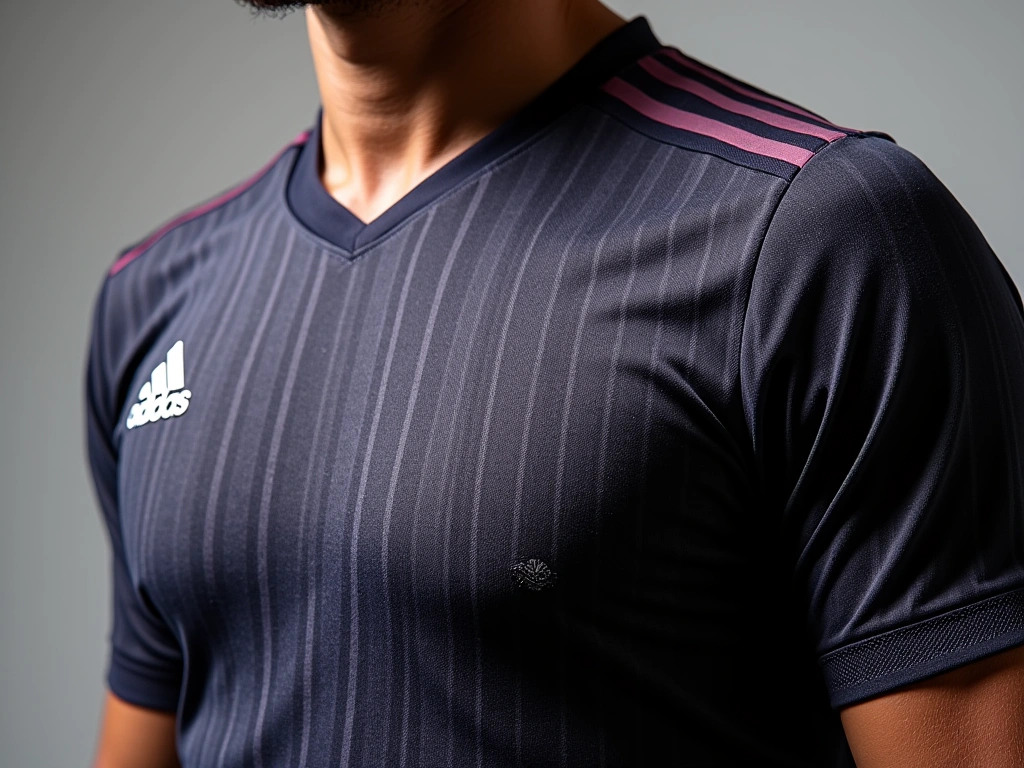
Adidas explicitly categorizes most of its modern performance soccer gear as “Slim Fit.” This design philosophy differs from the “Regular Fit” often found in their training wear or lifestyle clothing lines. The slim fit is characterized by narrower shoulders and a chest area that sits closer to the body.
The length of the jersey is another factor to consider. Modern Adidas kits are often longer in the back (a drop-tail hem) to provide coverage during movement. This length can sometimes give the illusion that the shirt is big enough, even if it is too tight across the chest or stomach.
Material elasticity plays a major role in how the size feels. The polyester blends used in modern kits offer some stretch, but they are not as forgiving as cotton. If the fabric is stretched too tightly across the chest, the printed logos and sponsors can warp or peel over time. A proper fit should allow the fabric to drape naturally without tension lines appearing across the torso.
How to Measure for the Perfect Fit
Relying solely on generic size labels like “L” or “XL” is risky because sizing standards vary by region and manufacturing year. The most reliable method for buying soccer jerseys, especially online, is to use specific body measurements. You will need a flexible tape measure to get accurate numbers.
Chest Measurement: This is the most critical metric. Measure around the fullest part of your chest, keeping the tape horizontal. For Adidas jerseys, if you fall between sizes on the chart, always choose the larger size due to the slim cut.
Pit-to-Pit: If you already own a jersey that fits you perfectly, lay it flat on the ground. Measure the distance from one armpit seam to the other. This “pit-to-pit” measurement is frequently used by sellers in the secondary market and is a more practical reference than body circumference.
Waist and Hips: Because modern kits are tapered, the waist measurement matters. If you carry weight around your midsection, the tapered cut of an Authentic jersey will likely be too tight, even if the chest measurement is correct. In this case, the straighter cut of the Replica version is usually the better option.
Comparing Adidas to Nike, Puma, and Kappa
Understanding how Adidas compares to other major kit manufacturers can provide a helpful frame of reference. Each brand has a distinct “house style” regarding fit.
Nike: Generally, Nike’s “Stadium” jerseys fit slightly truer to size than Adidas Replicas. They often feel a bit boxier in the shoulders. However, Nike’s “Dri-FIT ADV” (their player version) is just as slim and tight as the Adidas Authentic line.
Puma: Puma is notorious for producing some of the tightest jerseys on the market. Their “Authentic” line, often featuring Ultraweave technology, is extremely form-fitting. If you wear a Large in Adidas, you might find a Large in Puma to be uncomfortably tight, necessitating a size up.
Kappa: Known for the revolutionary “Kombat” kits introduced in 2000, Kappa jerseys are designed to be skin-tight to prevent tackling. Kappa sizing is significantly smaller than Adidas. A wearer who fits an Adidas Large often needs an XXL in Kappa to achieve a comfortable, non-restrictive fit.
Retro and Vintage Adidas Kits: A Different Rulebook
The rules of sizing change completely when dealing with vintage Adidas jerseys or the modern “Adidas Originals” lifestyle line. Fashion trends in the 1990s and early 2000s favored baggy, oversized garments. A size Medium jersey from 1994 will likely fit much larger than a size Large jersey from 2024.
When purchasing retro kits, do not assume the tag size correlates to modern standards. A 90s “Equipment” era Adidas shirt typically has wide sleeves and a boxy torso. Conversely, the “TechFit” era (around 2010) introduced compression elements that made jerseys incredibly tight.
For modern re-releases under the Adidas Originals banner, the fit is usually “regular” or “relaxed,” catering to streetwear trends rather than on-pitch performance. These items generally run true to size or slightly large, contrasting sharply with the performance match kits.
Care Instructions to Maintain Size and Shape
Even if you buy the perfect size, improper care can alter the fit or damage the garment. While polyester does not shrink as drastically as cotton, high heat can damage the elasticity of the fibers, causing the jersey to warp or feel tighter and stiffer.
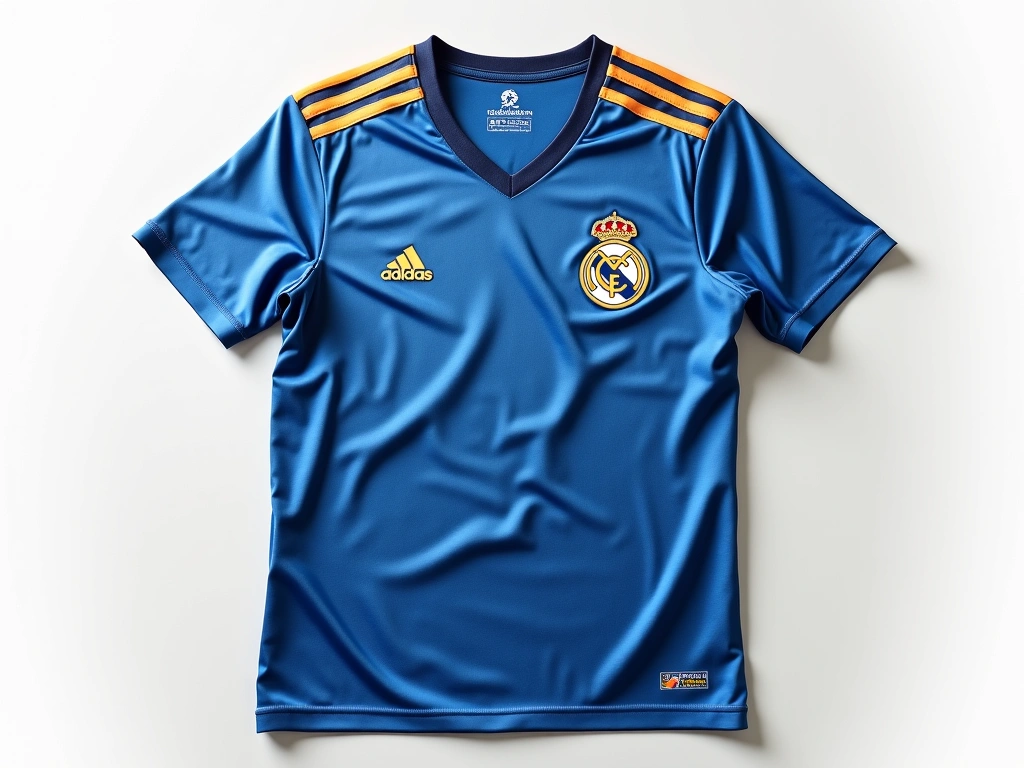
Wash Cold: Always wash soccer jerseys in cold water. Hot water can break down the adhesives used for sponsor logos, names, and numbers, causing them to peel. It can also affect the technical structure of the fabric.
Air Dry Only: Never put a soccer jersey in a tumble dryer. The intense heat is the primary enemy of synthetic sportswear. It can cause subtle shrinkage and significant damage to heat-transferred badges. Hang the jersey to dry out of direct sunlight to prevent color fading.
Avoid Fabric Softener: Fabric softeners work by coating fibers with a waxy substance. On a soccer jersey, this coating blocks the moisture-wicking pores of the fabric (AEROREADY or HEAT.RDY), effectively ruining the breathability and altering the texture of the shirt.
FAQ
Should I size up for Adidas soccer jerseys?
For most people, sizing up is recommended, especially if you prefer a looser fit. Adidas jerseys are designed with a slim, athletic cut. If you are buying the “Authentic” player version, sizing up is almost mandatory for a comfortable fit. For the “Replica” fan version, your standard size may work if you enjoy a tailored look, but sizing up ensures more room for layering.
What is the difference between HEAT.RDY and AEROREADY sizing?
HEAT.RDY is the technology used in Authentic player jerseys, featuring a curved hem and a tighter, more aerodynamic fit designed for elite athletes. AEROREADY is used in Replica jerseys, featuring a straighter cut and a slightly more relaxed fit. A Large in AEROREADY will feel significantly roomier than a Large in HEAT.RDY.
Do long-sleeve Adidas jerseys fit differently than short-sleeve ones?
The torso sizing generally remains consistent between long and short-sleeve versions. However, the sleeves themselves can be quite fitted, particularly around the forearms and wrists on Authentic versions. If you have muscular arms, the long sleeves might feel restrictive, prompting a need to size up.
How do women’s Adidas soccer jerseys fit compared to men’s?
Women’s Adidas jerseys feature a distinct cut that is tapered at the waist and flared slightly at the hips to accommodate a different body shape. They also tend to have shorter sleeves and a narrower shoulder width. Women who prefer a straight, boxy fit often opt for smaller sizes in the men’s or unisex range instead.
Will an Adidas jersey shrink in the wash?
Adidas jerseys are made primarily of polyester, which is resistant to shrinking compared to natural fibers like cotton. However, exposure to high heat in a washing machine or dryer can cause the fabric to contract slightly or warp. To maintain the original size, always wash in cold water and air dry.
Do Adidas Kids/Youth sizes run small?
Youth sizes can be tricky as they are often categorized by age (e.g., 13-14Y) or height. Adidas youth sizes tend to run true to height but can be slim in width. If a child is between sizes or growing quickly, it is always safer to purchase the larger size to ensure the jersey lasts more than one season.