Youth soccer serves as a critical developmental stage for young athletes, bridging the gap between introductory play and competitive full-sided matches. For players in the Under-12 (U12) age group, the game undergoes a significant transformation in structure, complexity, and physical demand.
Understanding the specific guidelines regarding player numbers, roster limits, and field regulations is essential for coaches, parents, and league administrators. These rules are designed not just for organization, but to maximize skill acquisition during what experts often call the “golden age” of motor learning.
This comprehensive guide explores the standards for U12 soccer, focusing on the 9v9 format, roster management strategies, and the tactical formations that best suit this intermediate level of play.
The 9v9 Standard: Why It Matters for U12
The most defining characteristic of U12 soccer is the transition to the 9v9 game format. Unlike the smaller 7v7 games played at U10 or the full 11v11 matches played at U13 and above, the 9v9 format offers a balanced environment. It provides enough space for players to execute passes and runs while keeping the field small enough to ensure frequent ball contact.
In a 9v9 match, each team fields nine players, consisting of eight outfield players and one goalkeeper. This reduction from the full eleven players removes two players from the field, typically reducing congestion in the midfield. This openness encourages young athletes to develop spatial awareness and recognize passing lanes that might be obscured on a crowded full-sized pitch.
Governing bodies like US Youth Soccer and FIFA endorse this “Small-Sided Games” (SSG) philosophy because it increases the number of touches each player gets on the ball. More touches translate directly to faster technical development, better decision-making, and increased confidence under pressure.
Roster Sizes and Player Management
Managing the roster size is a delicate balance between having enough substitutes to cover fatigue and ensuring every child receives adequate playing time. Most youth associations set a strict maximum roster limit to prevent teams from hoarding players, which ultimately hinders development.
The standard maximum roster size for a U12 team is typically 16 players. This limit ensures that even if every player attends a match, the coach can rotate players effectively without leaving anyone on the bench for excessive periods. With nine players on the field, a roster of 16 leaves seven substitutes, which is the upper limit of manageability for a standard 60-minute game.
However, many coaching directors recommend a smaller roster of 12 to 14 players. A roster of 13, for example, provides four substitutes. This ratio allows for a healthy rotation where players can rest and receive coaching feedback on the sidelines before re-entering the game, ensuring everyone plays at least 50% of the match—a common requirement in developmental leagues.
Essential Rules and Regulations for U12
The transition to U12 introduces rules that more closely mimic professional soccer, with specific modifications for safety and development. One of the most significant changes for players graduating from U10 is the strict enforcement of the offside rule. In younger age groups, offside is often relaxed or only enforced near the goal, but at U12, players must learn to time their runs and hold their defensive lines properly.
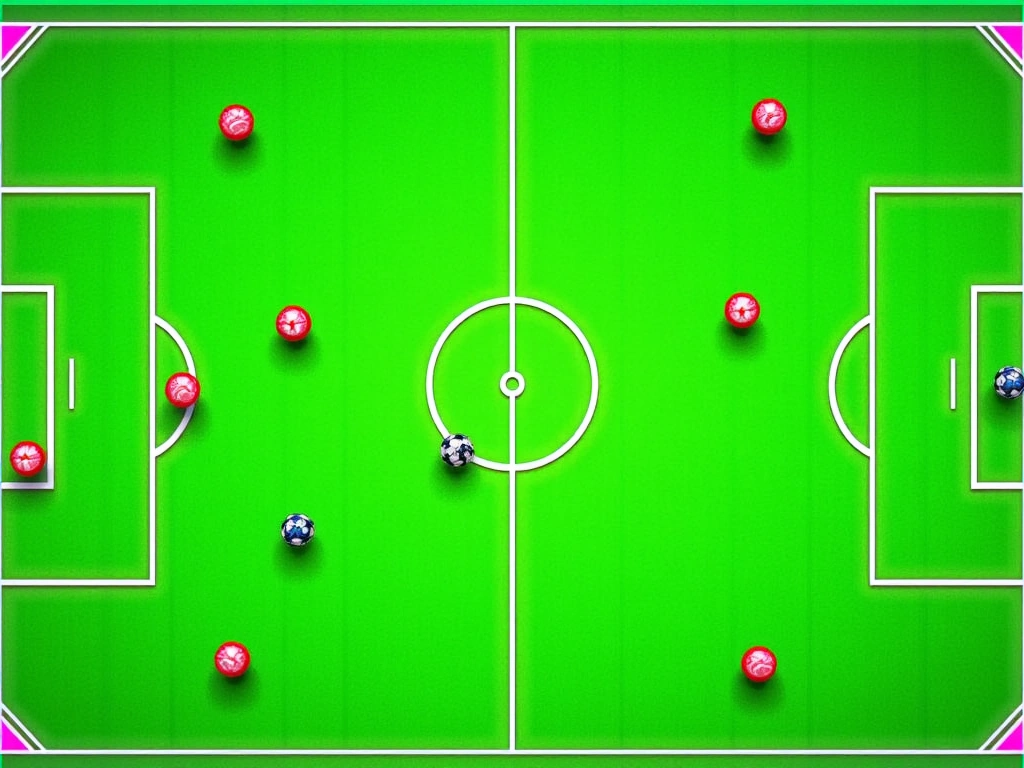
The field dimensions for U12 are also specific, generally ranging from 70-80 yards in length and 45-55 yards in width. This intermediate size tests a player’s endurance more than the smaller U10 fields, requiring better physical conditioning and pacing strategies. The goals are also smaller than regulation size, typically measuring 6.5 feet by 18.5 feet, which is proportionate to the height and reach of the goalkeepers.
Another critical regulation involves the ball size. U12 matches are played with a Size 4 soccer ball. This is slightly smaller and lighter than the full Size 5 ball used by adults, allowing younger players to pass, shoot, and control the ball without risking injury or developing poor mechanics due to the ball’s weight.
Tactical Formations in a 9v9 Setup
With nine players on the field, coaches must select formations that cover the width of the pitch while maintaining defensive stability. The choice of formation often depends on the team’s strengths and the coach’s developmental philosophy. Unlike the chaotic “beehive” style of very young soccer, U12 teams are expected to maintain shape and structure.
A popular formation is the 1-3-2-3 (1 Goalkeeper, 3 Defenders, 2 Midfielders, 3 Forwards). This system promotes attacking play by keeping three players high up the pitch. It encourages the use of wingers to stretch the opponent’s defense, creating space in the middle for the midfielders to operate.
Alternatively, a more controlled approach is the 1-3-3-2. By fielding three midfielders, a team can dominate the center of the pitch, making it difficult for opponents to pass through. This formation teaches midfielders the importance of linking defense to attack and requires them to have high stamina to support both ends of the field.
The Evolving Role of the Goalkeeper
At the U12 level, the goalkeeper’s responsibilities expand significantly. They are no longer just shot-stoppers positioned on the goal line; they become the first line of attack. Modern coaching methodology encourages goalkeepers to play as “sweeper-keepers,” coming off their line to clear through balls and participating in passing sequences.
When a team has possession, the goalkeeper is expected to distribute the ball intelligently, either by rolling it to a nearby defender or throwing it to a wide midfielder. This reinforces the concept of “building out from the back,” a tactical approach where teams try to keep possession rather than simply kicking the ball long.
Goalkeepers at this age also begin to communicate more vocally. Since they have the best view of the entire field, they are responsible for organizing the defense, calling out unmarked opponents, and directing the positioning of the defensive wall during free kicks.
Substitutions and Game Management
Substitution rules in U12 soccer are generally flexible to prioritize player health and participation. Most leagues allow for “unlimited substitutions,” meaning players can enter and exit the game multiple times. This is distinct from professional rules where a substituted player cannot return.
Substitutions typically occur during stoppages in play, such as throw-ins, goal kicks, or after a goal is scored. The referee must be notified and grant permission before a player enters the field. This process teaches players the administrative discipline of the sport and ensures the match remains organized.
Coaches often use substitutions not just for fatigue, but as a tactical tool. A player might be brought off for a few minutes to receive specific instruction about their positioning or decision-making, then sent back in to apply what they learned. This “coaching moment” is invaluable for tactical development.
FAQ
What is the minimum number of players required to start a U12 match?
While a full team consists of nine players, FIFA and youth association rules typically state that a match cannot start or continue if either team has fewer than six players. If a team cannot field at least six players due to injury or absence, the match is usually forfeited. This rule ensures that the game remains competitive and safe, as playing with too few players can lead to extreme fatigue and injury risk.
Are players allowed to head the ball in U12 soccer?
In many regions, including those governed by US Soccer, intentional heading is prohibited in U12 matches and training sessions. This rule is implemented to reduce the risk of head injuries during a developmental phase where neck muscles may not be fully strengthened. If a player intentionally heads the ball, the opposing team is typically awarded an indirect free kick. Always check your specific local league regulations, as implementation can vary.
How long is a standard U12 soccer game?
A standard U12 match consists of two halves, each lasting 30 minutes, for a total game time of 60 minutes. There is usually a halftime break of 5 to 10 minutes. This duration is designed to test the players’ endurance without pushing them to the point of exhaustion, which can degrade their technique and decision-making abilities.
What size soccer ball is used for U12?
U12 teams use a Size 4 soccer ball. This ball has a circumference of approximately 25-26 inches and weighs between 11-13 ounces. It is the standard size for youth players aged 8 to 12. Using the correct ball size is crucial for developing proper foot skills, as a ball that is too large or heavy can impede learning and cause strain.
Is there an offside rule in U12 soccer?
Yes, the offside rule is fully enforced in U12 soccer. Unlike in younger age groups where the rule might be ignored or modified, U12 players are expected to understand the concept. A player is in an offside position if they are nearer to the opponent’s goal line than both the ball and the second-last opponent when the ball is played to them. Learning this rule is a major tactical milestone for young attackers and defenders.
What happens if a team exceeds the roster limit?
If a team attempts to roster more than the allowed maximum (usually 16 players), the league may reject the registration of the additional players. In competitive play, using an ineligible player who is not on the official roster can result in a forfeit of the match, fines for the club, or suspension of the coach. Adhering to roster limits ensures fair play and prevents teams from gaining an unfair advantage through depth alone.