In the summer of 2021, the football landscape witnessed one of its most unexpected managerial appointments. Jose Mourinho, fresh from a tumultuous exit at Tottenham Hotspur, was unveiled as the new head coach of AS Roma. The move signaled a collision between a manager seeking redemption and a historic club desperate to end a prolonged trophy drought.
The narrative surrounding Mourinho at the time suggested a decline in his managerial powers. Critics argued that his pragmatic, defensive-minded football was obsolete in an era dominated by high-pressing systems. However, the Roma ownership, led by the Friedkin Group, viewed his appointment as a statement of intent designed to elevate the club’s global profile.
This tenure would prove to be one of the most emotionally charged periods in the modern history of the Giallorossi. From European triumphs to financial constraints, Mourinho’s time in the Italian capital offered a complex case study in squad building, tactical adaptation, and the psychological management of a passionate fanbase.
The Tactical Shift to a Back Three
Upon his arrival, Mourinho initially experimented with a 4-2-3-1 formation, a system he had favored at previous clubs like Real Madrid and Chelsea. However, the defensive frailties of the squad quickly became apparent. The lack of a dominant defensive midfielder and the specific characteristics of his full-backs necessitated a significant structural change.
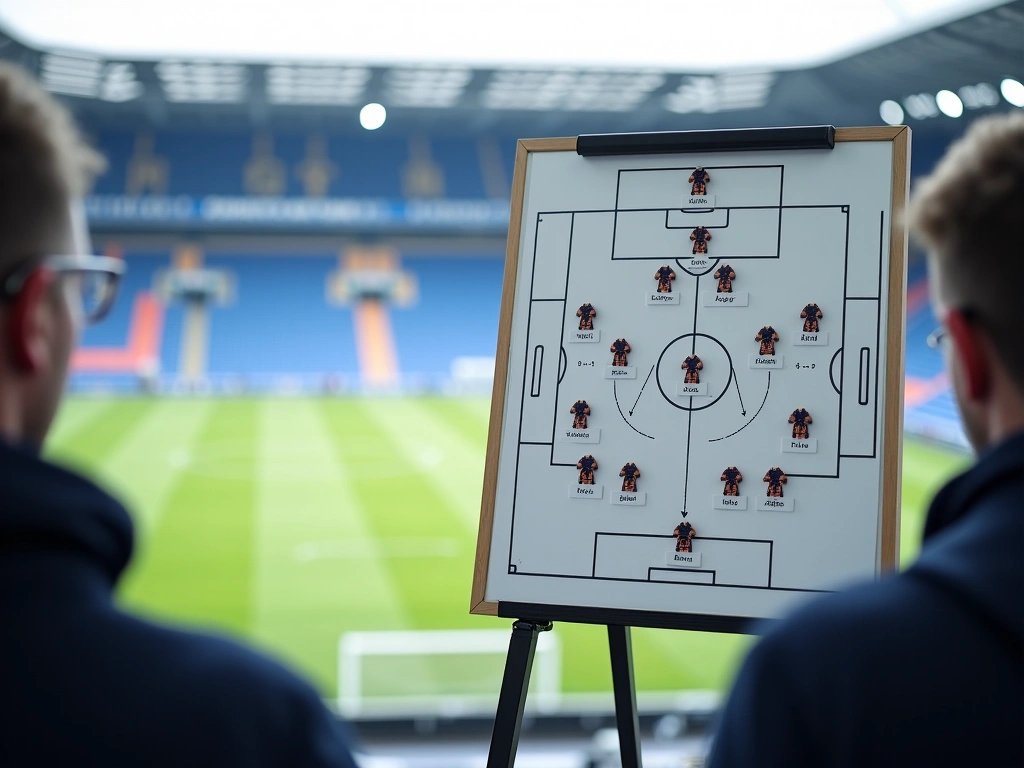
By the midpoint of his first season, Mourinho transitioned the team into a 3-4-2-1 or 3-5-2 system. This shift was designed to protect the central defenders, particularly Chris Smalling, who thrived as the central anchor in a three-man line. The formation allowed the wing-backs, such as Rick Karsdorp and Leonardo Spinazzola, to push higher up the pitch without exposing the defense to counter-attacks.
This tactical pragmatism became the hallmark of his Roma side. The team often ceded possession to opponents, preferring to control space rather than the ball. This “low block” strategy was effective in knockout competitions, where defensive solidity often outweighs offensive fluidity. While it drew criticism for lacking aesthetic appeal, it maximized the strengths of the available personnel.
The Conference League and the Tirana Triumph
The inaugural UEFA Europa Conference League provided the backdrop for Mourinho’s first major success in Rome. The campaign was not without its humiliations, most notably a staggering 6-1 defeat to Norwegian side Bodø/Glimt in the group stages. Mourinho used this defeat as a psychological lever, publicly criticizing his squad depth to demand higher standards from his starting eleven.
The knockout stages demonstrated Mourinho’s experience in navigating two-legged European ties. The semi-final against Leicester City was a masterclass in game management, where Roma neutralized the Premier League side’s attacking threats through disciplined positional play. The atmosphere at the Stadio Olimpico for the return leg is often cited by supporters as one of the loudest in recent memory.
The final in Tirana against Feyenoord culminated in a 1-0 victory, secured by a goal from Nicolo Zaniolo. This win ended Roma’s 14-year wait for a trophy and made them the first winners of the new competition. For Mourinho, it validated his reputation as a winner, making him the first manager to win all three current major UEFA club competitions.
The Dybala Signing and Squad Revamp
Following the European success, the summer of 2022 saw a significant shift in transfer strategy. The arrival of Paulo Dybala on a free transfer was a pivotal moment. His unveiling at the Palazzo della Civiltà Italiana drew thousands of fans, underscoring the renewed enthusiasm surrounding the club.
Dybala became the creative fulcrum of the team. Mourinho granted the Argentine forward a free role within the tactical structure, allowing him to drift between the lines and link play with the striker, usually Tammy Abraham. This reliance on individual brilliance was a key feature of Roma’s offensive strategy under Mourinho.
The squad revamp also involved moving on players who did not fit the manager’s psychological profile. Mourinho prioritized players with physical presence and tactical discipline, bringing in Nemanja Matić and later Romelu Lukaku. These acquisitions were aimed at adding a “spine” of experience to a relatively young squad.
Navigating Financial Fair Play Constraints
A critical context for Mourinho’s tenure was the strict financial environment in which the club operated. AS Roma was under a settlement agreement with UEFA regarding Financial Fair Play (FFP) violations. This severely limited the sporting director, Tiago Pinto, in the transfer market.
The club could not spend freely on transfer fees and had to generate capital gains, known in Italy as plusvalenza, by selling assets before buying. This reality forced Mourinho to rely heavily on the free agent market and loan deals. The strategy required patience and opportunistic maneuvering, often waiting until late in the transfer window to secure targets.
Mourinho frequently referenced these limitations in press conferences, creating a narrative that the team was overachieving relative to its resources. This “siege mentality” helped forge a strong bond between the manager, the players, and the fans, who felt the team was fighting against the odds.
The Europa League Run and Budapest Heartbreak
In his second season, Mourinho guided Roma to another European final, this time in the UEFA Europa League. The path to Budapest was arduous, featuring a comeback against Feyenoord and a defensive stronghold against Bayer Leverkusen in the semi-finals. The tie against Leverkusen, managed by Xabi Alonso, highlighted the clash of styles, with Roma advancing despite having minimal possession.
The final against Sevilla ended in controversy and heartbreak. After a 1-1 draw, Roma lost on penalties. The match was physically grueling and marked by numerous contentious refereeing decisions. Mourinho’s reaction to the officiating was fierce, reflecting the immense pressure and emotional investment placed on that single game.
Failure to win the Europa League meant Roma missed out on Champions League qualification, a primary objective for the club’s financial stability. Despite the loss, the back-to-back European finals cemented Mourinho’s legacy as a specialist in knockout football, even as league form remained inconsistent.
The Stadio Olimpico Atmosphere and Fan Connection
One of the most tangible impacts of the Mourinho era was the revitalization of the fanbase. The club recorded a remarkable streak of consecutive sold-out matches at the Stadio Olimpico. This phenomenon, often referred to as the “Mourinho Effect,” went beyond results on the pitch.
Mourinho cultivated a deep connection with the Curva Sud, the sector of the stadium housing the most ardent supporters. He tapped into the emotional nature of the Roman environment, positioning himself as the defender of the club against external perceived enemies, whether they were referees or the media.
This symbiotic relationship provided the team with a formidable home advantage. Even when the quality of football was criticized by pundits, the stadium remained full. The anthem “Roma Roma Roma” sung before kickoff became a symbol of the unity restored during this period.
Legacy and the End of the Cycle
The tenure eventually concluded in January 2024, following a series of poor results and increasing tension behind the scenes. The departure was abrupt, with club legend Daniele De Rossi stepping in as the interim replacement. However, the footprint left by the Portuguese manager remained significant.
Critics point to the failure to secure a top-four finish in Serie A as a major shortcoming. The team often struggled to break down smaller teams that employed low defensive blocks, leading to dropped points in crucial league fixtures. The reliance on reactive football proved less effective over a 38-game league season compared to the intensity of knockout tournaments.
Nevertheless, the silverware and the restoration of international relevance cannot be overlooked. Mourinho inherited a team that had drifted into mediocrity and turned them into European contenders. His time at Roma serves as a reminder of his unique ability to galvanize a club and a city, even if the long-term sustainability of his methods remains a subject of debate.
FAQ
What formation did Jose Mourinho primarily use at AS Roma?
While he started with a 4-2-3-1, Mourinho primarily utilized a 3-4-2-1 or 3-5-2 formation during his time at Roma. This system relied on three central defenders to provide solidity, with wing-backs providing width. It was designed to mask defensive deficiencies and allow for quick transitions on the counter-attack.
How many trophies did Mourinho win with AS Roma?
Jose Mourinho won one major trophy with AS Roma: the UEFA Europa Conference League in the 2021-2022 season. He also led the team to the final of the UEFA Europa League in the following season, where they finished as runners-up after a penalty shootout loss to Sevilla.
Why was the Conference League victory significant?
The victory was significant because it was AS Roma’s first major European trophy in history and their first major title of any kind since 2008. It validated the club’s ambition and sparked massive celebrations across the city, re-establishing a winning culture within the squad.
How did Financial Fair Play affect Mourinho’s tenure?
Strict Financial Fair Play (FFP) regulations severely restricted Roma’s spending power. The club entered a settlement agreement with UEFA, meaning they had to balance their books carefully. This forced Mourinho and the sporting director to rely on free transfers, loans, and selling players before they could buy new ones.
Who were the key players under Mourinho at Roma?
Paulo Dybala was the offensive centerpiece, providing creativity and goals. Chris Smalling was crucial as the leader of the defense, while Lorenzo Pellegrini served as the captain and a vital link in midfield. Tammy Abraham was also a key figure, particularly in the first season where his goals drove the European campaign.
Why did Jose Mourinho leave AS Roma?
Mourinho was dismissed in January 2024. The decision came after a run of poor results in Serie A that left the team drifting away from Champions League qualification spots. Additionally, reports suggested growing friction between the manager and the club’s ownership regarding the direction and investment in the squad.
What was the “Mourinho Effect” on the fans?
The “Mourinho Effect” refers to the massive surge in fan engagement and attendance. During his tenure, the Stadio Olimpico saw a long streak of sold-out matches. His charismatic leadership and defense of the club resonated deeply with the fanbase, creating a unified and hostile atmosphere for visiting teams.