When Lionel Messi arrived in Paris in August 2021, the transfer was heralded as the crowning achievement of modern football recruitment. Paris Saint-Germain (PSG), backed by Qatar Sports Investments, had seemingly assembled the ultimate attacking trident by adding the Argentine legend to a squad already boasting Neymar Jr. and Kylian Mbappé. The expectation was immediate and overwhelming: this collection of talent was destined to deliver the club’s first UEFA Champions League title.
However, the two seasons that followed offered a stark lesson in the difference between a collection of stars and a cohesive team. Instead of dominating European football, the project faced tactical imbalances, dressing room friction, and a fractured relationship with the fanbase. The narrative shifted from celebration to scrutiny as the realities of integrating a veteran playmaker into a high-intensity transition league became apparent.
This article examines the structural, tactical, and cultural factors that defined Messi’s tenure at PSG. It explores why the move, despite its commercial success, failed to meet sporting objectives and how it marked the end of a specific era in the club’s strategy.
The Galactico Strategy and Commercial Ambitions
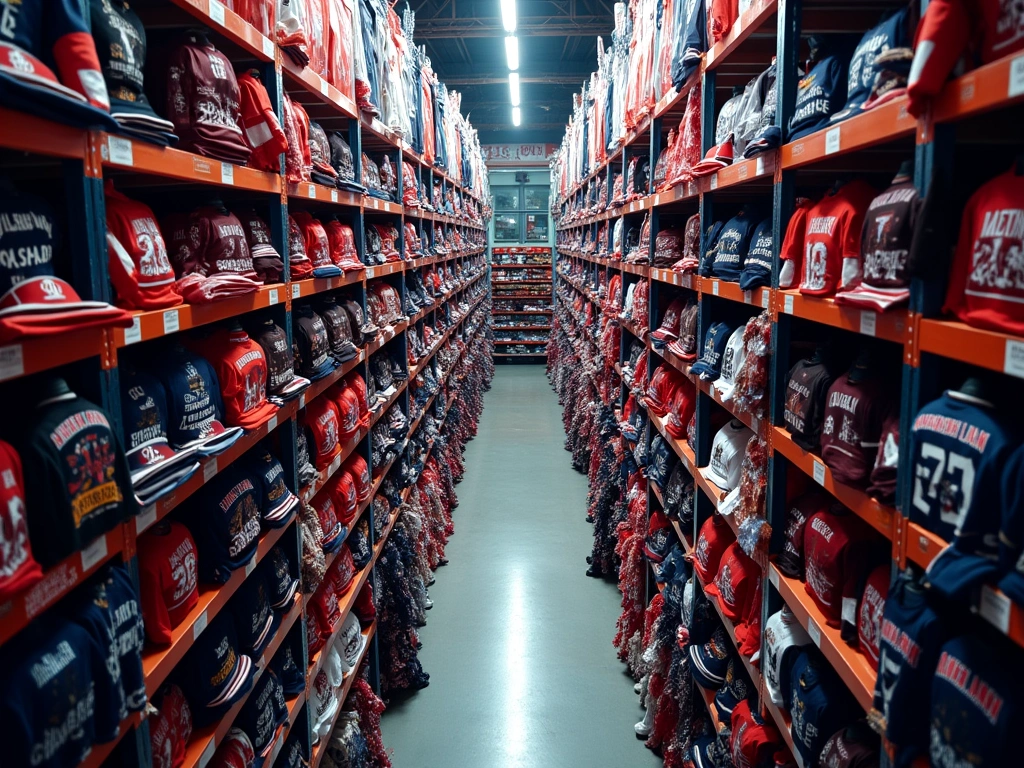
The signing of Lionel Messi was consistent with PSG’s long-standing strategy of acquiring global icons to elevate the club’s brand. Since the takeover by QSI, the club has pursued a model similar to the “Galácticos” era of Real Madrid, prioritizing marketable superstars who drive revenue through merchandise, sponsorship deals, and global visibility. From a business perspective, the move was a triumph; the club reportedly generated record revenues, sold over a million shirts in the first season, and attracted lucrative new partnerships.
However, this commercial logic often conflicted with sporting necessities. Building a squad around three forwards who require significant tactical freedom—Messi, Neymar, and Mbappé—created a top-heavy structure. In modern football, where high-pressing and collective defensive work are prerequisites for success in the Champions League, fielding three players with low defensive output placed an unsustainable burden on the rest of the team.
The recruitment focused on attack rather than addressing long-standing deficiencies in the midfield and defense. While the brand grew, the team’s on-pitch balance suffered, leading to a disconnect between the club’s marketing image and its competitive reality in elite European fixtures.
Tactical Incompatibility of the MNM Trio
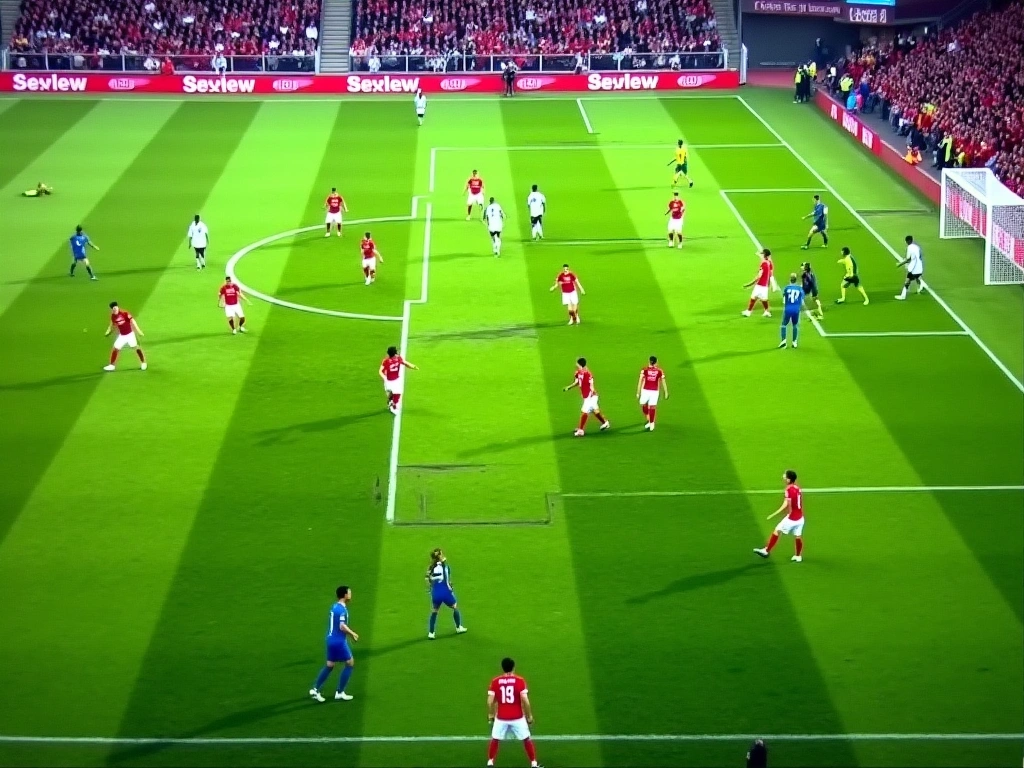
The primary tactical conundrum for coaches Mauricio Pochettino and later Christophe Galtier was finding a system that accommodated the “MNM” trio without sacrificing defensive solidity. Messi, operating largely as a playmaker or drifting in from the right, required players around him to make dynamic runs and cover space. While Mbappé provided the vertical threat, the lack of defensive tracking from the front three meant PSG often defended with only seven outfield players.
Against weaker domestic opposition in Ligue 1, individual brilliance was often enough to secure victory. However, against elite European teams like Manchester City, Real Madrid, or Bayern Munich, this structural flaw was ruthlessly exploited. Opponents could easily bypass PSG’s first line of pressure, overwhelming the midfield pivot and exposing the defensive line. Marco Verratti often found himself overworked, trying to cover vast amounts of space to compensate for the lack of support from the forwards.
Furthermore, Messi’s role at Barcelona had been the focal point around which the entire system revolved. At PSG, he was one of three main protagonists. He often had to drop deeper to collect the ball, moving him further away from the danger zone where he is most lethal. The lack of a cohesive pressing structure meant PSG could not control games against high-intensity opponents, leading to early exits in the Champions League.
Shifting Hierarchies and Dressing Room Dynamics
The arrival of Messi coincided with the ascent of Kylian Mbappé as the undisputed face of French football. While Neymar had originally been the centerpiece of the project, his influence waned due to injuries and inconsistency. Mbappé’s contract renewal in 2022 reportedly gave him significant influence over the sporting project, shifting the club’s center of gravity away from the South American contingent.
This shift created a complex social dynamic within the dressing room. Messi, a quiet leader by nature, found himself in a team where the leadership structure was in flux. Reports of friction between the different cliques—often divided by language or nationality—surfaced regularly. The “pivot gang” controversy, where Mbappé publicly expressed frustration about his role as a target man rather than playing with a traditional number nine, highlighted the difficulties of satisfying three egos who all preferred to operate in similar central zones.
The club’s management struggled to establish a clear authority. By catering to the demands of multiple superstars, the institution weakened the position of the manager. Discipline and collective accountability often took a backseat to player power, preventing the development of a unified team culture essential for winning major trophies.
The Ultra Culture and the Parc des Princes Atmosphere
One of the most defining aspects of Messi’s time in Paris was the deterioration of his relationship with the club’s most passionate supporters, the Collectif Ultras Paris (CUP). Initially welcomed with fanfare, the mood soured as the team underperformed in Europe. The Ultras, frustrated by years of mismanagement and perceived mercenary behavior from players, directed their anger at the highest-profile targets.
Messi and Neymar were frequently whistled at the Parc des Princes following Champions League eliminations. For the fans, Messi symbolized the club’s obsession with “bling-bling” over local identity and grit. They perceived his demeanor on the pitch—often walking while off the ball—as a lack of effort and commitment to the Parisian cause. This was a stark contrast to the adoration Messi received in Argentina or Barcelona, where his style was understood and accepted as part of his genius.
The hostility created a toxic home atmosphere. Instead of being a fortress, the stadium became a place of tension. Messi notably stopped engaging in the traditional post-match lap of honor, heading straight down the tunnel after games. This disconnect reinforced the narrative that his stay in Paris was merely a transactional stopgap rather than an emotional commitment.
Media Scrutiny and the L’Équipe Factor
The French sports media, particularly the influential daily L’Équipe, is known for its rigorous and often harsh player rating system. Messi was not spared from this scrutiny. His performances were analyzed through a critical lens that often ignored his creative metrics—such as progressive passes and chances created—focusing instead on his lack of goals in his first season and his defensive passivity.
Headlines frequently questioned his impact, with ratings as low as 3/10 appearing after key losses. This relentless criticism contributed to a feeling of alienation. While Messi never publicly complained, the constant negative press coverage fueled the narrative that he was a shadow of his former self. In reality, his second season statistics were impressive, with high numbers in both goals and assists, but the narrative of failure had already been set by the media and the Champions League exits.
The contrast between the French media’s treatment of Messi and the protection often afforded to other players created a sense of unfairness. It highlighted the cultural gap between the expectations of the French football public, who value physical intensity and work rate, and Messi’s more cerebral, technical style of play.
The End of an Era and Future Implications
Messi’s departure to Inter Miami in 2023 signaled the end of PSG’s “Galactico” experiment. Club president Nasser Al-Khelaifi subsequently announced a strategic pivot away from “flashy” signings toward developing a younger, more disciplined team with a stronger French identity. The failure of the Messi-Neymar-Mbappé trident forced the club to acknowledge that star power alone does not guarantee European success.
For Messi, the Paris years remain a complex chapter. While he secured two Ligue 1 titles and regained his fitness ahead of his triumphant 2022 World Cup campaign, he never truly conquered the hearts of the Parisian public. The period serves as a case study in football management, demonstrating that squad building requires chemistry and complementary profiles rather than just accumulating the world’s most famous names.
The financial ramifications also linger. The massive wage bill associated with the trio restricted PSG’s ability to strengthen other areas of the squad under Financial Fair Play (FFP) regulations. Unwinding this structure has required a significant overhaul, proving that the cost of the superteam experiment extended far beyond the transfer fees.
FAQ
Why did Lionel Messi leave Barcelona for PSG?
Messi’s move was precipitated by FC Barcelona’s severe financial crisis. The Spanish club was unable to register his new contract due to La Liga’s strict salary cap regulations. Despite Messi agreeing to a significant pay cut, the structural debt of the club made his retention impossible, forcing an abrupt and emotional exit. PSG was one of the few clubs with the financial capability to accommodate his wage demands on short notice.
Did the MNM trio work statistically?
Statistically, the trio of Messi, Neymar, and Mbappé produced impressive numbers, particularly in Ligue 1. In the 2022-2023 season, they combined for a vast majority of the team’s goals and assists. However, football is played in two phases: attack and defense. While their offensive output was high, the lack of defensive balance meant the team conceded too many chances against high-level opposition, rendering the statistical success in domestic play insufficient for European glory.
Why did PSG fans whistle at Messi?
The whistling was a manifestation of the fans’ frustration with the club’s management and repeated Champions League failures. Messi, as the highest-profile signing, became a symbol of the club’s misguided strategy. Fans felt his defensive work rate was poor and that he lacked emotional connection to the club. The protests were less about his technical ability and more about what his presence represented: a marketing-first approach that had failed to deliver the most coveted trophy.
What tactical issues did Messi face in Ligue 1?
Ligue 1 is known for its physicality and athletic intensity. Teams often employ low defensive blocks and aggressive transition attacks against PSG. Messi, accustomed to the technical, possession-based rhythm of La Liga, had to adapt to a league where space was compressed and physical duels were frequent. Additionally, without a functional midfield to control possession, he often had to drop deep to retrieve the ball, limiting his presence in the final third.
Did Messi win any trophies with PSG?
Yes, Lionel Messi won three trophies during his time at Paris Saint-Germain. He helped the club secure two consecutive Ligue 1 titles (2021-22 and 2022-23) and one Trophée des Champions. While these are significant achievements, they were viewed as the bare minimum expectation for a squad of such caliber, and the lack of a Champions League title overshadowed these domestic successes.
How did the French media treat Messi compared to other players?
The French media, particularly outlets like L’Équipe and Le Parisien, were notably harsh on Messi. He was often held to a higher standard than his teammates. While a mediocre performance from a standard player might go unnoticed, Messi was frequently singled out for “disappearing” in matches where the entire team struggled. This critical atmosphere contributed to the narrative that his time in Paris was a failure, despite his respectable statistical output.
What is the “Bling-Bling” era at PSG?
The “Bling-Bling” era refers to the period of PSG’s history characterized by signing global superstars primarily for their fame and marketing value rather than their tactical fit. This strategy focused on glamour, shirt sales, and social media reach. The end of Messi’s tenure and the subsequent shift in recruitment strategy marked the club’s public attempt to move away from this image and build a more disciplined, collective team.