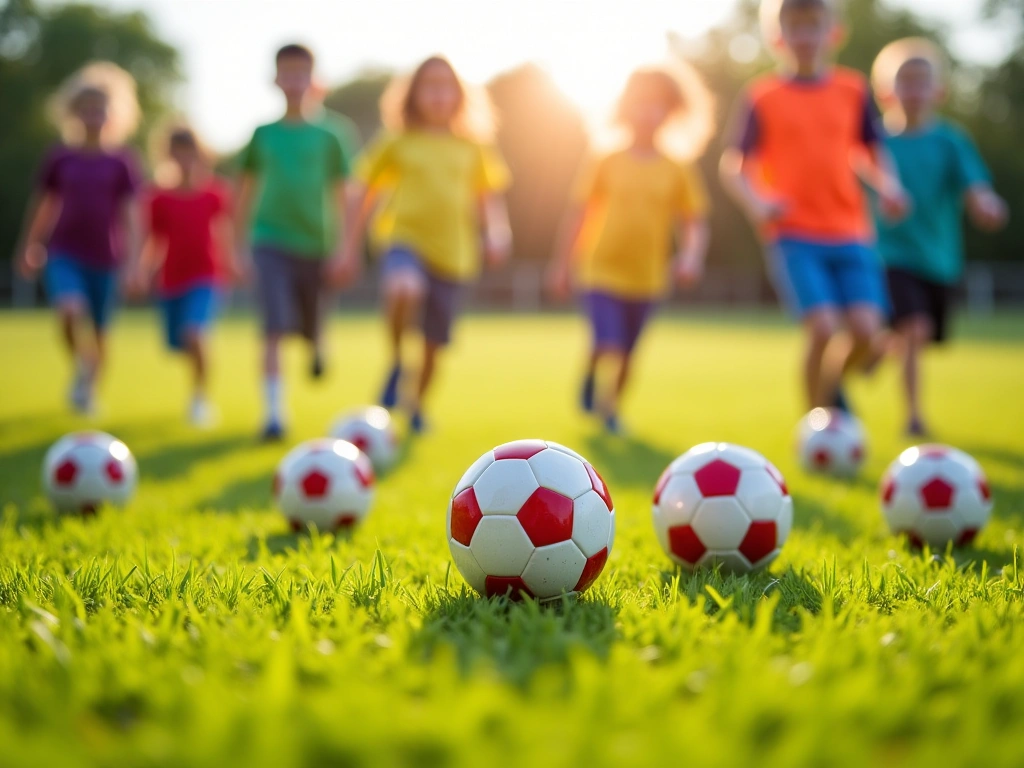
Soccer stands as one of the most universally accessible sports in the world, transcending cultural boundaries and generational gaps. From toddlers taking their first clumsy steps toward a ball to seniors maintaining their fitness through modified versions of the game, the sport offers a pathway for every stage of life. It requires minimal equipment and can be played on surfaces ranging from manicured grass to concrete courts, making it a staple in communities globally.
However, the way the game is played, coached, and regulated changes drastically as a player ages. A training session for a six-year-old looks nothing like the tactical drills designed for a teenager, and the equipment used evolves to match physical development. Understanding these age-specific nuances is essential for parents, coaches, and new players entering the sport.
This guide explores the lifecycle of a soccer player, detailing how training focuses shift, what equipment is necessary at each stage, and how leagues are structured to ensure safety and fair competition. Whether you are a parent introducing a child to the sport or an adult looking to join a recreational league, understanding these distinctions ensures a better experience on the pitch.
The Foundation Phase: Early Childhood Development (Ages 3–8)
For the youngest players, soccer is less about competition and more about physical literacy. Coaches and developmental experts often refer to this stage as the "foundation phase." The primary goal is to develop basic motor skills such as running, jumping, and balance, often referred to as the ABCs (Agility, Balance, Coordination). At this age, the ball is simply a tool to encourage movement and interaction.
In organized programs for children under six (U6), the game is typically played in a format known as "micro-soccer." Teams are small, often 3v3 or 4v4, and there are no goalkeepers. This structure is intentional; it maximizes the number of times each child touches the ball. If young children played on a full-sized field with 11 players per side, most would never touch the ball, leading to boredom and a lack of skill development.
Tactically, this age group is characterized by "beehive" soccer, where all players swarm the ball simultaneously. This is a natural developmental stage and not something coaches try to correct aggressively. The focus remains on individual ball mastery—learning to dribble, stop the ball, and change direction—rather than passing or holding positions. Fun, imaginative games are used to teach these skills, often disguising drills as adventures or challenges.
The Golden Age of Learning: Pre-Teen Years (Ages 9–12)
As players enter the U9 to U12 categories, they enter what many coaches call the "golden age of learning." Children at this stage are developmentally ready to absorb more complex technical skills and begin understanding the concept of space. The field size increases, and the number of players on the pitch grows to 7v7 or 9v9, introducing the need for basic positioning.
Technical training becomes more rigorous. Players learn the mechanics of passing with the inside of the foot, shooting with the laces (instep), and controlling the ball out of the air. This is also when the concept of positions—defenders, midfielders, and forwards—is introduced. However, modern coaching philosophy encourages rotating players through all positions to ensure well-rounded development rather than pigeonholing a child too early.
Safety regulations also become more specific during these years. Many national soccer federations have implemented bans or restrictions on heading the ball for players under the age of 11 or 12. This rule is designed to protect developing brains and necks from repetitive impact. Instead, players are taught to control the ball with their chest, thigh, or feet, emphasizing skill over aerial physical contests.
Competitive Transition: The Adolescent Player (Ages 13–18)
The transition to the full 11v11 game typically happens around the U13 age group. This is a significant shift that requires greater physical endurance and tactical awareness. The field expands to regulation size, and the rules of the game, including the complex offside rule, are applied in full. This stage often separates recreational players from those seeking competitive or elite pathways.
Training for teenagers involves "tactical periodization," where physical conditioning is integrated with tactical drills. Players learn about formations such as the 4-4-2 or 4-3-3 and understand their specific roles within those systems. Coaches focus on phases of play, such as transition from defense to attack, and set-piece strategies for corner kicks and free kicks.
Physical development is paramount during these years. As players go through growth spurts, coordination can temporarily regress, requiring patience from coaches. Strength and conditioning programs are often introduced to prevent injury and improve speed. This is also the age where mental resilience becomes a key focus, as the pressure of competition and the desire to perform for school or club teams increases.
Adult and Senior Soccer: Lifelong Participation
Soccer does not end when youth leagues finish. Adult soccer is a thriving sector, ranging from highly competitive amateur leagues to casual "Sunday leagues" and co-ed recreational groups. For adults, the sport offers a vital outlet for cardiovascular health, stress relief, and social interaction. The game often adapts to the needs of the players, with many adult leagues offering unlimited substitutions to manage fatigue.
For older adults or those with mobility issues, "Walking Football" has emerged as a popular variant. In this version, running is strictly prohibited, and one foot must always be in contact with the ground. This modification drastically reduces the risk of impact injuries and joint strain while allowing seniors to maintain their skills and tactical understanding. It emphasizes precise passing and positioning over speed.
Many communities also host "Over-30," "Over-40," and even "Over-50" divisions. These age-bracketed leagues ensure that players compete against others with similar physical capabilities. The culture in these leagues often shifts from a "win at all costs" mentality to one of camaraderie and longevity, ensuring players can return to work the next day without injury.
Essential Equipment Standards by Age Group
Using the correct equipment is vital for player safety and proper skill development. The most critical piece of equipment that varies by age is the soccer ball itself. Using a ball that is too heavy or large can cause injury to a young child’s joints and hinder their ability to learn proper technique.
Ball Sizes:
- Size 3: Designed for players U8 and younger. It is the smallest and lightest standard ball, proportionate to the foot size and leg strength of young children.
- Size 4: Used for players aged U8 to U12. It is slightly larger and heavier, bridging the gap between the starter ball and the adult version.
- Size 5: The standard regulation ball used by players U13 and up, including professionals.
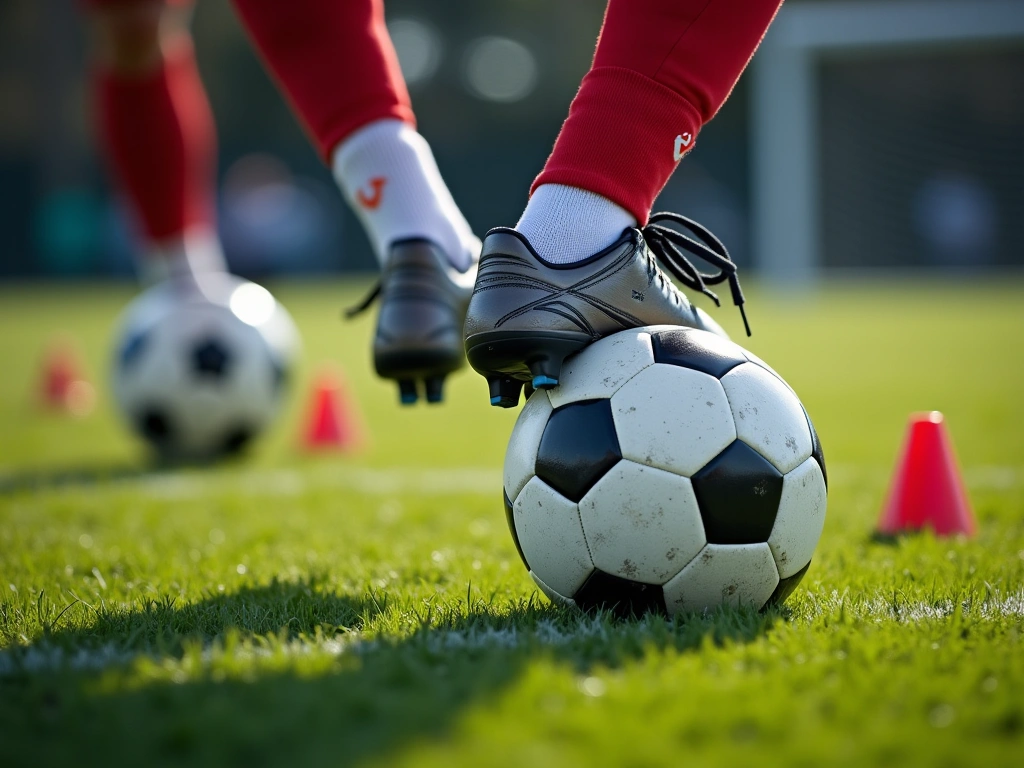
Footwear also varies based on the playing surface. "Firm Ground" (FG) cleats with molded studs are standard for natural grass fields. However, many leagues now play on artificial turf, which requires "Turf" (TF) shoes with many small rubber nubs to prevent traction injuries. Shin guards are mandatory across all age groups and must be worn underneath the socks to provide adequate protection against kicks and collisions.
Understanding League Structures and Divisions
Navigating the world of soccer leagues can be confusing for newcomers. Most youth organizations categorize players by "U" levels, which stands for "Under." For example, a U10 team consists of players who are under 10 years old. The cutoff date for these age groups is typically based on the calendar year (January 1st to December 31st), aligning with international standards set by FIFA.
Leagues are generally divided into two main tiers: Recreational (Rec) and Competitive (often called Travel, Select, or Academy). Recreational soccer is open to everyone, regardless of ability, and focuses on participation and fun. Teams are often formed randomly or by neighborhood to ensure balanced competition.
Competitive soccer requires tryouts and involves a higher level of commitment, both in terms of time and finances. These teams travel to other cities or states for matches and tournaments. The coaching is usually professional rather than volunteer-based. Parents should carefully consider their child’s interest and the family’s schedule before committing to competitive programs, as the demands can be significant.
FAQ
What is the best age to start playing soccer?
Most experts agree that age three or four is an appropriate time to start organized "tots" soccer classes. At this stage, the focus is purely on fun, movement, and socialization. However, it is never too late to start. Many successful players began later in childhood, and adults can pick up the sport at any age through recreational leagues designed for beginners.
Why do young children play on smaller fields?
Small-sided games (such as 4v4 or 7v7) are used for younger players to increase the number of touches on the ball. On a full-sized field, a young child might go minutes without participating in the play. Smaller fields ensure constant involvement, which accelerates skill development and keeps children engaged and active throughout the match.
What is the difference between recreational and travel soccer?
Recreational soccer is community-based, open to all skill levels, and focuses on enjoyment and basic learning. Travel or competitive soccer involves a selection process (tryouts), professional coaching, and a higher level of competition. Travel teams typically require a greater time commitment for training and weekend travel to games.
Do adults need specific shoes for indoor soccer?
Yes, indoor soccer is typically played on hard courts or short-pile turf. For hard courts, flat-soled indoor soccer shoes (IC) are necessary to provide grip without marking the floor. For indoor turf fields, turf shoes (TF) with small rubber studs are recommended. Using standard outdoor cleats on these surfaces can be dangerous and is often prohibited by facility rules.
What is the "offside" rule and when does it apply?
The offside rule prevents players from hanging around the opponent’s goal to wait for an easy pass. A player is offside if they are nearer to the opponent’s goal line than both the ball and the second-last opponent when the ball is played to them. This rule is generally introduced in the U9 to U11 age brackets, depending on the local league, and is fully enforced by U13.
Can I play soccer if I wear glasses?
Regular prescription glasses can be dangerous in soccer due to the risk of breakage and injury. It is highly recommended to wear sports goggles made of impact-resistant polycarbonate. These are designed to stay securely on the face and protect the eyes during play. Some leagues strictly forbid standard metal or plastic frames for safety reasons.
What is Walking Football?
Walking Football is a modified version of the game designed for older adults or those with mobility limitations. The key rule is that one foot must always be in contact with the ground; running or jogging results in a free kick for the other team. This format reduces the risk of injury and allows people to continue playing the sport well into their senior years.